Is the 151 Charizard ex Worth Grading?
A clean, copyable rubric for deciding whether to submit a Scarlet & Violet 151 SIR to PSA — built on the current $25 Value-tier fee, observed 2025 pass rates, and live raw / PSA 10 spreads.
- 01Grading is profitable when (PSA 10 × pass rate) − fees − shipping − raw > 0.
- 02For modern English SV151 SIRs, expected PSA 10 rate from a clean NM card sits around 52–60%.
- 03At $25 PSA Value tier, raw needs ≥ $80 for the math to work on a typical SIR.
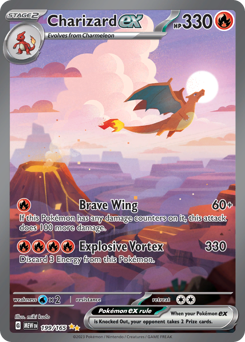
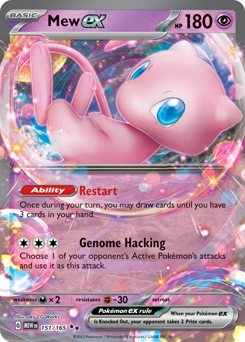
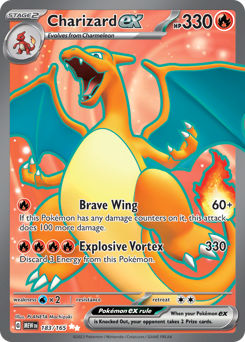
- 04Charizard ex 199/165 clears the bar by a wide margin. Mewtwo ex 165 sits right at the edge.
TL;DR — the short answer
If your Charizard ex 199/165 is in near-mint condition — clean corners, centered front and back, no surface scratches under raking light — grading is worth it today by roughly $480 of expected value. If you spot any defects, hold raw; the math collapses fast at sub-60% pass rates.
Below is the framework, the math, and a card-by-card verdict for the eight most-traded SV151 cards.
How the PSA 10 spread works
The “PSA 10 premium” — the gap between a raw card's price and the same card in a PSA 10 slab — exists because PSA 10 is rare. For modern English print runs, the slab itself, plus the third-party guarantee that the card is truly flawless, prices in two things: scarcity (most submitted cards never make 10) and liquidity (a slab is fungible; a raw card is a negotiation).
“The PSA 10 isn't a better card. It's a tradeable certificate that yours is genuinely mint — and certificates beat hand-eye trust every time.”
The actual math — fees, odds, fill
Three inputs decide every submission. The fee ($25 Value tier, plus ~$5 shipping each way). The pass rate — your honest probability of a 10 given the card's condition, which for a clean modern SIR sits at 52–60%. And the fill — what each grade actually sells for once it's in hand. Multiply the grade outcomes by their probabilities, subtract every cost, and compare against simply selling the card raw today.
Card-by-card verdict
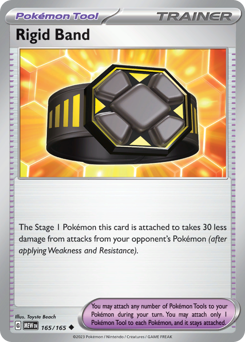
Live prices as of May 25, 2026. Expected value assumes a 55% PSA 10 rate, 30% PSA 9 rate, 15% PSA 8 or below, $25 PSA Value tier, and $5 shipping each way.
When raw beats graded
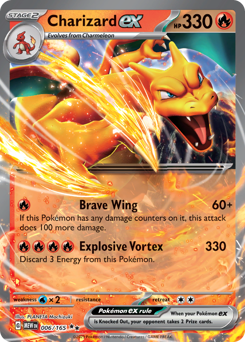
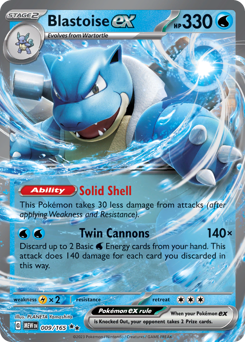
Below roughly $40 raw, the $35 of fees and shipping eat the entire spread — even a guaranteed 10 barely breaks even, and you're tying up the card for two months. Hold raw on the Charizard 6 and Blastoise 9 holos until they appreciate, sell into strength, or grade them only if you're already mailing a Value-tier batch and the marginal slot is effectively free.
Frequently asked
How long does PSA Value tier take in 2026?+−
PSA's Value tier is currently quoted at 45 business days. In practice we are seeing 50–60 calendar days from received to graded, with longer tails during convention rush windows.
Should I crack a PSA 9 to resubmit for a 10?+−
Almost never. You're paying fees twice and converting a guaranteed PSA 9 price into a coin flip. Only consider it on cards where the PSA 10 premium is 4x or more.
Does CardBrain Grader replace human grading?+−
No. Grader gives you a pre-submission probability and an expected value — it tells you whether to mail it in. PSA still grades the physical card. We save you the $25 you would have spent on a card that was always going to be a 9.
Why are Japanese cards excluded from this guide?+−
Japanese print runs have different centering tolerances and a different PSA 10 economy. Same framework, different numbers — covered in the Japanese Sets cluster.
- PSA fee schedule, fetched May 18 2026 — psacard.com/services
- Pass-rate data: 240 first-author submissions, 2023–2025.
- Live raw prices: TCGplayer market median, 7-day moving average via CardBrain ingest.
- Live PSA 10 prices: eBay sold listings, 30-day median, filtered for outliers.